
The cells in cancers evolve. This has deep implications for both cancer research and the clinical management of cancer. The Evolution of Cancer Lab applies tools from evolutionary biology and ecology to understand and treat cancer. We use a variety of methods from computational simulations, to genetic analyses of biopsies from tumors, to cell culture and mouse experiments and even clinical trials. We also use phylogenetic methods to study cancer across species.
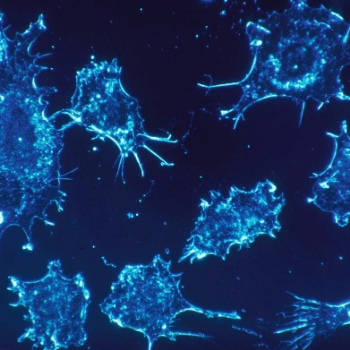
Evolution and Ecology of Cancer Cells
We developing methods to measure the ecological factors and evolutionary dynamics of somatic cells that drive progression from normal tissue to cancers. We are also investigating methods to prevent cancer based on slowing that evolution. We are testing if these measures can predict which pre-cancers will evolve into cancers, and which cancers are likely to respond well to therapies.
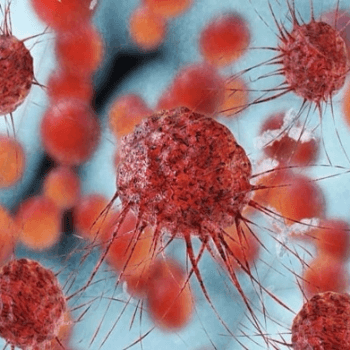
Evolutionary Therapies
We are developing evolutionary approaches to prevent the evolution of resistance to cancer therapies so as to both prolong life and improve the quality of life of people with cancer. We are now testing these approaches in clinical trials.
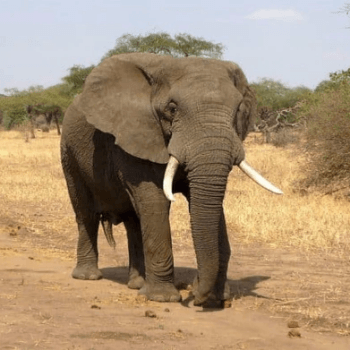
Cancer Across Species
We are discovering how large, long-lived animals such as elephants and whales suppress cancer better than humans (a problem called Peto's Paradox). We are also discovering which species are particularly good and suppressing cancer and investigating the mechanisms they use to prevent cancer.
